After the Research Ethics Committee of Shiraz University rejected the concerns, the question changed.
The issue was no longer whether the original allegations would be accepted.
The new question was whether higher oversight bodies could independently evaluate the evidence.
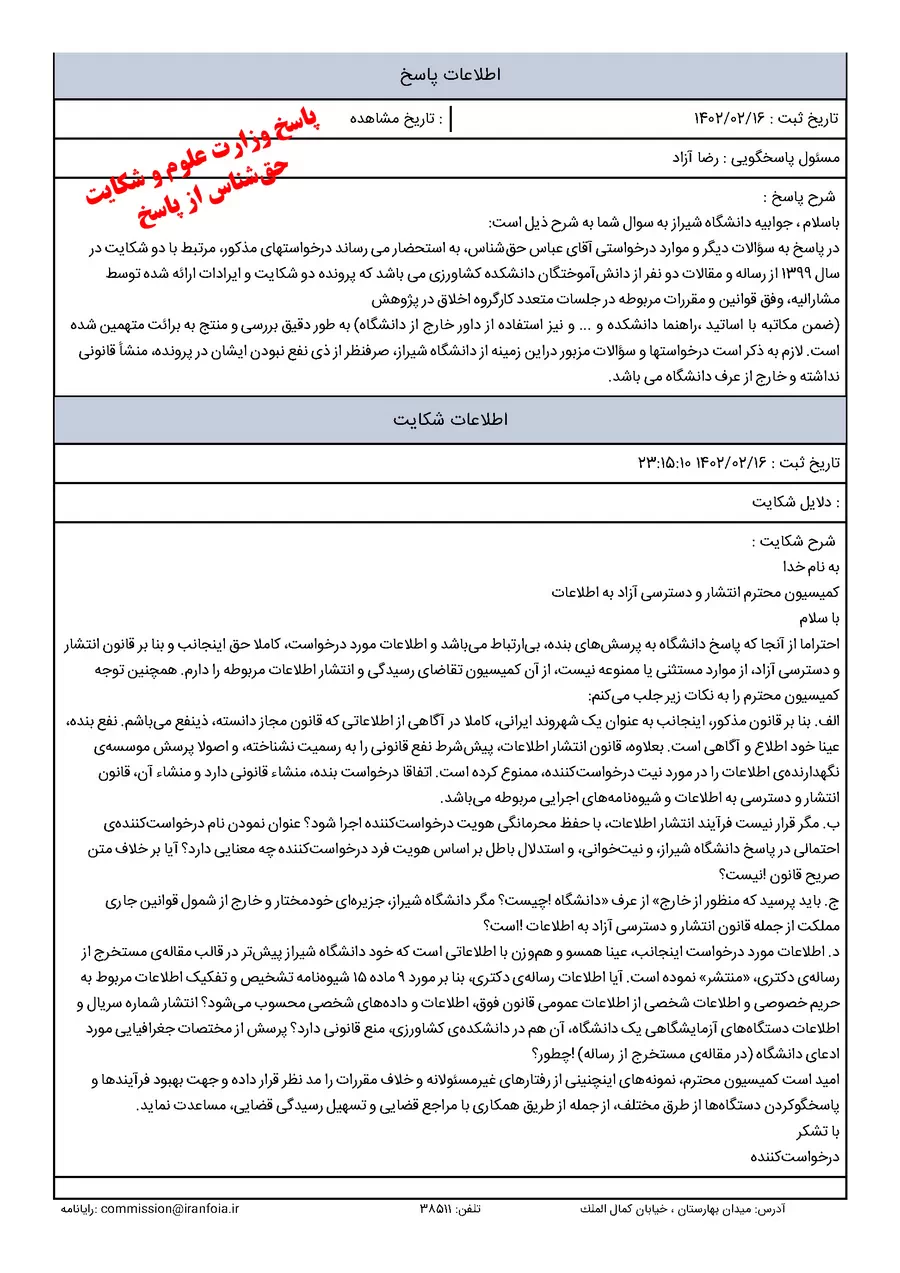
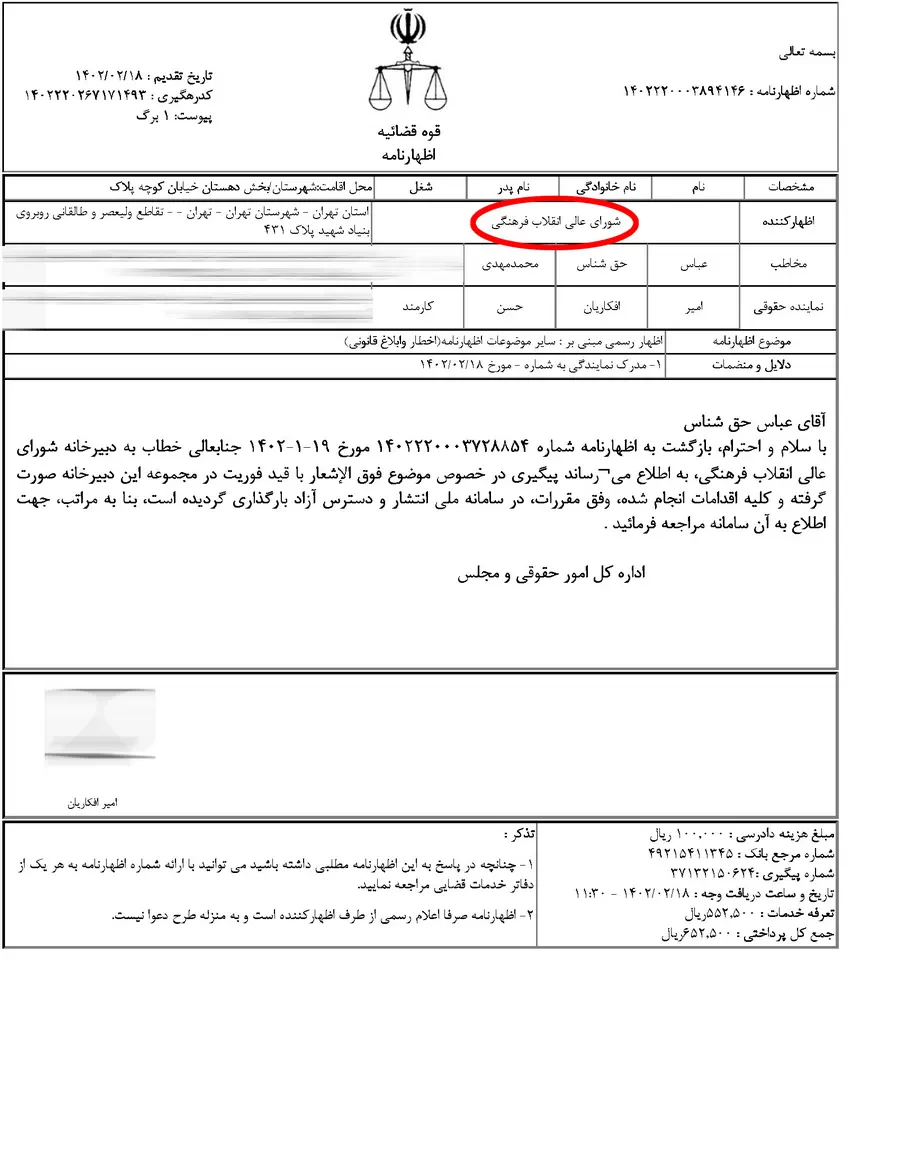
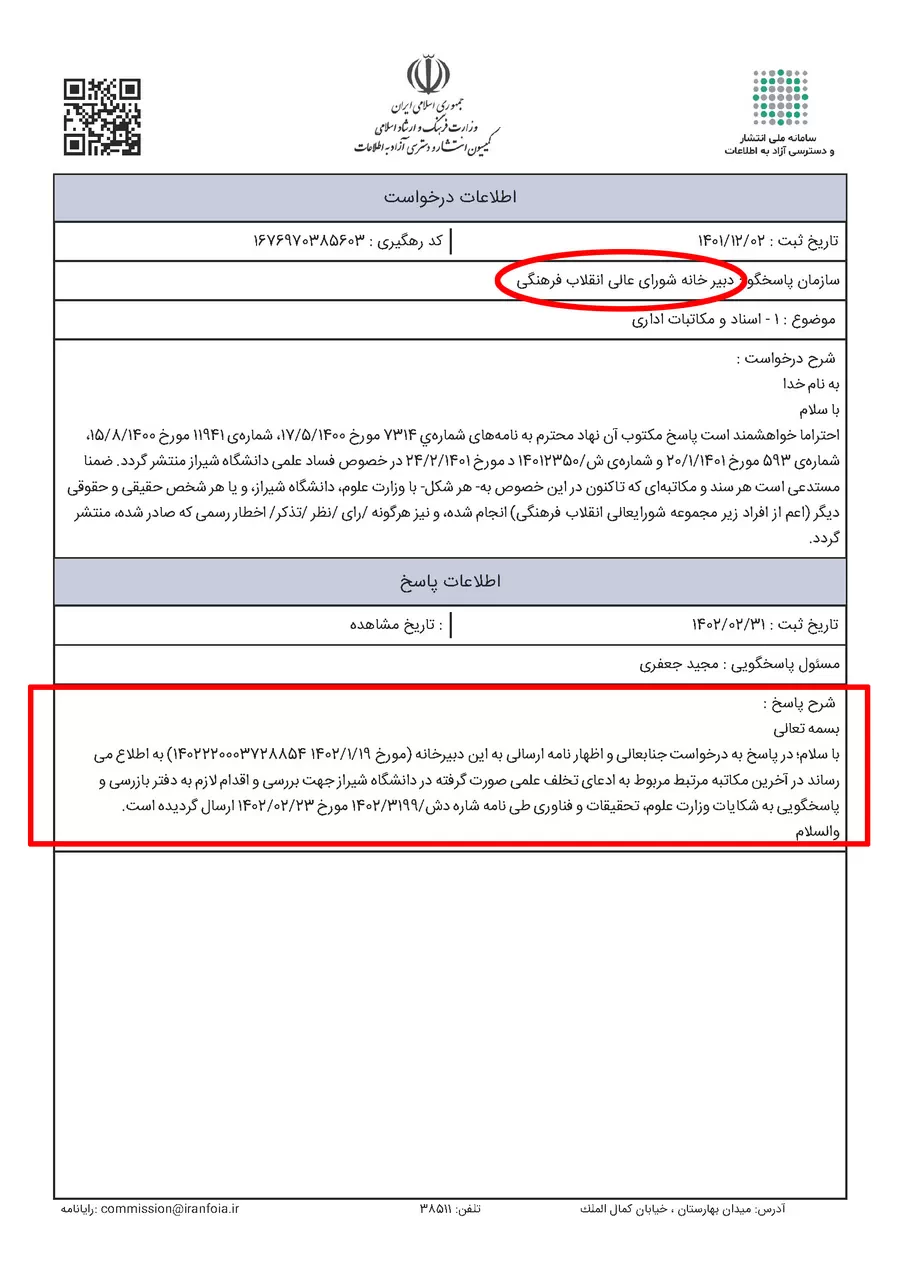
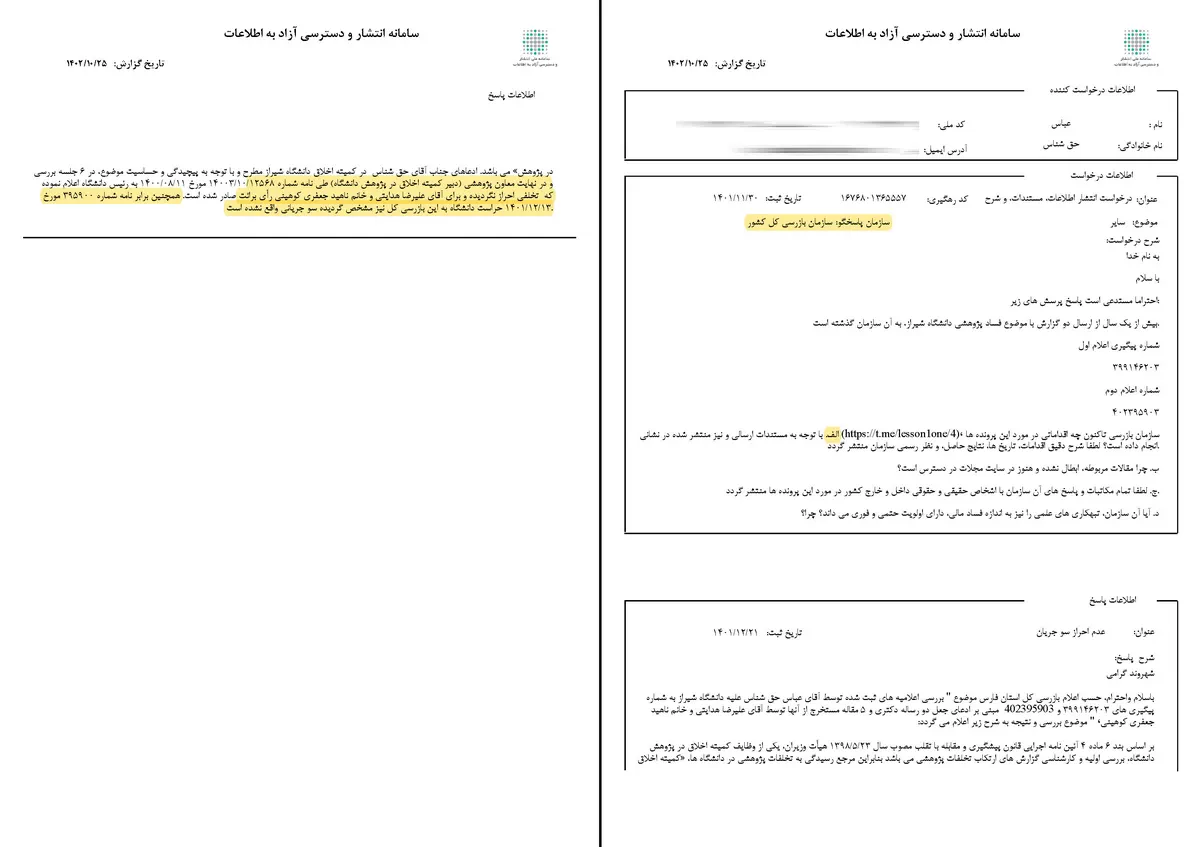
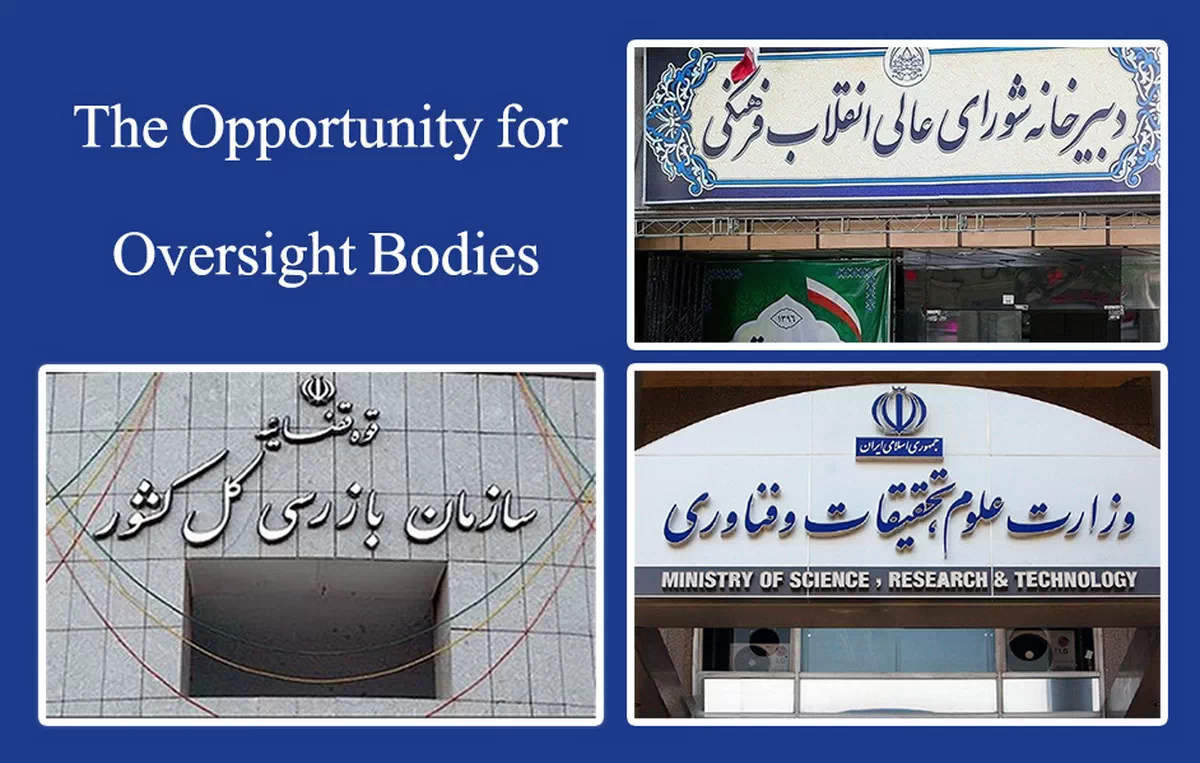
Over several years, I submitted documentation, correspondence, and supporting materials to ministries, regulatory organizations, and supervisory institutions.
The responses varied in form but often converged on the same outcome.
Rather than conducting independent investigations, many institutions ultimately relied upon the conclusions already issued by Shiraz University itself.
The institution whose actions had been questioned became the institution whose judgment was accepted.
The distinction between investigator and investigated gradually disappeared.
Why this occurred is open to interpretation.
Institutional incentives, procedural limitations, limited resources, and other factors may all have played a role.
The outcome, however, was clear.
No independent verification occurred.
No independent inspection took place.
And the underlying concerns remained unresolved.
The experience raised a broader question that extends far beyond a single university.
Can oversight systems function effectively if they are unable—or unwilling—to independently examine the institutions they are meant to oversee?